
Universities across Europe face growing challenges related to physical inactivity, sedentary behavior and mental health among students and staff. Evidence consistently shows that regular physical activity is a powerful, low-cost lever for improving both physical and mental health, particularly in young adults. The impact of physical activity initiatives is greatest when embedded within a systemic, “whole university” approach rather than isolated projects.
Several European institutions have developed Healthy Campus strategies, labels and monitoring systems, demonstrating that effective action does not necessarily require high financial investment, but rather clear governance, stakeholder engagement and strategic alignment. An active lifestyle (sports, physical activity, sedentary breakers) play a central role in translating evidence into sustainable campus-based solutions.
Objectives:
- Share European evidence and best practices on Healthy Active Campuses,
- Explore the role of sport and physical activity within whole-university health strategies,
- Identify key success factors, barriers and transferable solutions,
- Foster collaboration and lay the groundwork for future joint initiatives at the European level.
Programme:
| Time | Activity |
| 14:00 | Presentations by stakeholders of Healthy Campus Lausanne “ecosystem”: FISU; HESAV; UNIL/EPFL |
| 15:00 | Interactive Workshop with a panel of Healthy Campus stakeholders from local and international universities |
| 15:45 | Group discussion aiming at developing a European joint research initiative: identification of opportunities, resources and potential obstacles |
Date: Monday, 6 July
Time: 14:00 – 17:00
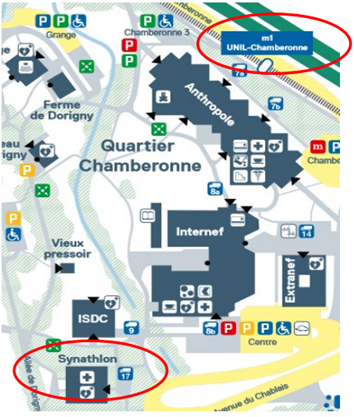
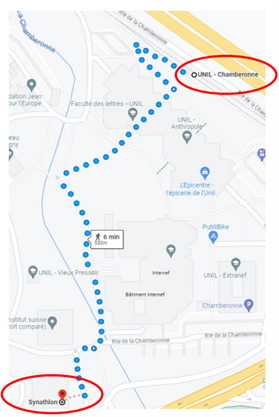
Location: UNIL Campus, Synathlon Building, Room Jean Petitjean
Metro stop: UNIL-Chamberonne (M1)
Contact:
Prof Jennifer Masset, HESAV
This email address is being protected from spambots. You need JavaScript enabled to view it.
Dr Bertrand Fincoeur, FISU
This email address is being protected from spambots. You need JavaScript enabled to view it.